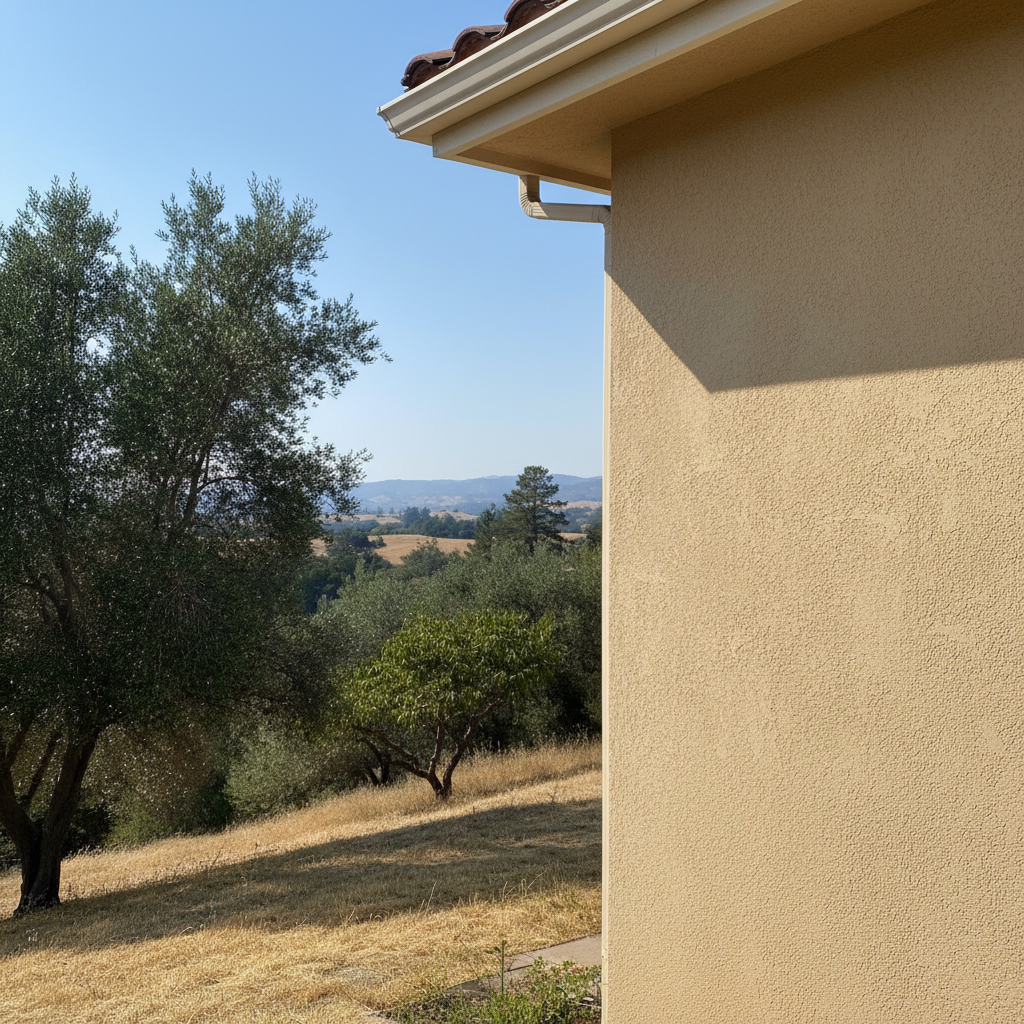
Stucco's a great choice for homes here in Saratoga; it's durable and looks fantastic when it's done right. But like anything else on your house, it's not a 'set it and forget it' kind of deal. You've got to give it a little attention to make sure it lasts as long as it should. I've seen a lot of stucco over the years, and believe me, a little proactive care goes a long, long way.
Make Your Stucco Last Longer
The biggest thing you can do to extend your stucco's life is pretty simple: keep it clean and dry. Sounds basic, doesn't it? But it's true. Our California climate, with its dry summers and sometimes heavy winter rains, can be tough on materials. If water gets behind the stucco and can't dry out, you're asking for trouble. That means making sure your gutters are clean and directing water away from your foundation. I've seen homes in the Montalvo area where clogged gutters have caused real issues over time, just because water was constantly sheeting down the side of the house.
Another big one? Landscaping. Those beautiful shrubs and trees are great, but if they're constantly touching your stucco, they're holding moisture against it. Plus, branches can scrape and damage the surface. Keep plants trimmed back a few inches from the wall. This allows for airflow, which is crucial for drying, and prevents physical damage.
Also, think about regular inspections. You don't need to be a pro; just walk around your house a couple of times a year. Look at the walls. Get up close. You'll catch small issues before they become big, expensive headaches.
What Regular Maintenance Actually Looks Like
Regular maintenance for stucco isn't complicated or time-consuming. It's mostly about observation and basic cleaning.
- Cleaning: You'll want to wash your stucco periodically. How often depends on your home's exposure to dirt, dust, and pollen. For most homes in Saratoga, once a year is usually plenty. Use a garden hose with a spray nozzle – nothing too high-pressure that could damage the surface. For stubborn spots, a soft brush and a mild detergent solution (like dish soap and water) work wonders. Rinse thoroughly afterward.
- Caulking: Check around windows, doors, and any other spots where things poke through your stucco. The caulk here is your first line of defense against water getting in. If you see cracks, gaps, or dried-out caulk, it's time to re-caulk. This is a DIY job for most homeowners, just make sure you use a high-quality, paintable exterior caulk.
- Drainage: I mentioned gutters, but also check your downspouts. Are they directing water far enough away from your foundation? If not, add extensions. Make sure the ground around your house slopes away from the foundation, too. You don't want water pooling near your walls.
Warning Signs of Problems
You're walking around, doing your regular check. What should you be looking for? These are the red flags:
- Cracks: Not all cracks are bad, but some definitely are. Hairline cracks are pretty common and often just cosmetic. But if you see cracks that are wider than a credit card, or if they're running horizontally or in a stair-step pattern – especially around windows or doors – that's a sign of potential structural movement or water damage.
- Staining: Dark streaks, especially under windows, near the roofline, or where water might be running down the wall, are a big indicator of water issues. It could be mold, mildew, or just dirt accumulating where water's sitting.
- Bulging or Soft Spots: If you press on the stucco and it feels soft, spongy, or you see it bulging outwards, that's a major problem. It means water has gotten behind the stucco and is likely damaging the stuff underneath.
- Efflorescence: This looks like a white, powdery residue on the surface. It's mineral salts leaching out of the stucco as water evaporates. It tells you water is getting into the stucco and then drying out, leaving the salts behind. It's a sign of moisture intrusion.
- Pest Activity: Holes or tunnels in your stucco can indicate pests like carpenter ants or termites, which are drawn to damp wood behind the stucco.
When to Call a Professional
Look, I'm a big believer in homeowners doing what they can. But there are times when you really need to bring in someone who knows what they're doing. If you see any of those major warning signs I just talked about – wide cracks, bulging, persistent staining, or evidence of pests – don't mess around. That's when you call someone like us at All Things Stucco Solutions.
Don't wait until the problem is huge. Small repairs are always cheaper and less disruptive than big ones. If you're unsure about a crack, or if you've got persistent moisture issues, or if you just want a professional eye to give your stucco a once-over, pick up the phone. We're here to help you keep your stucco looking good and protecting your home for decades.