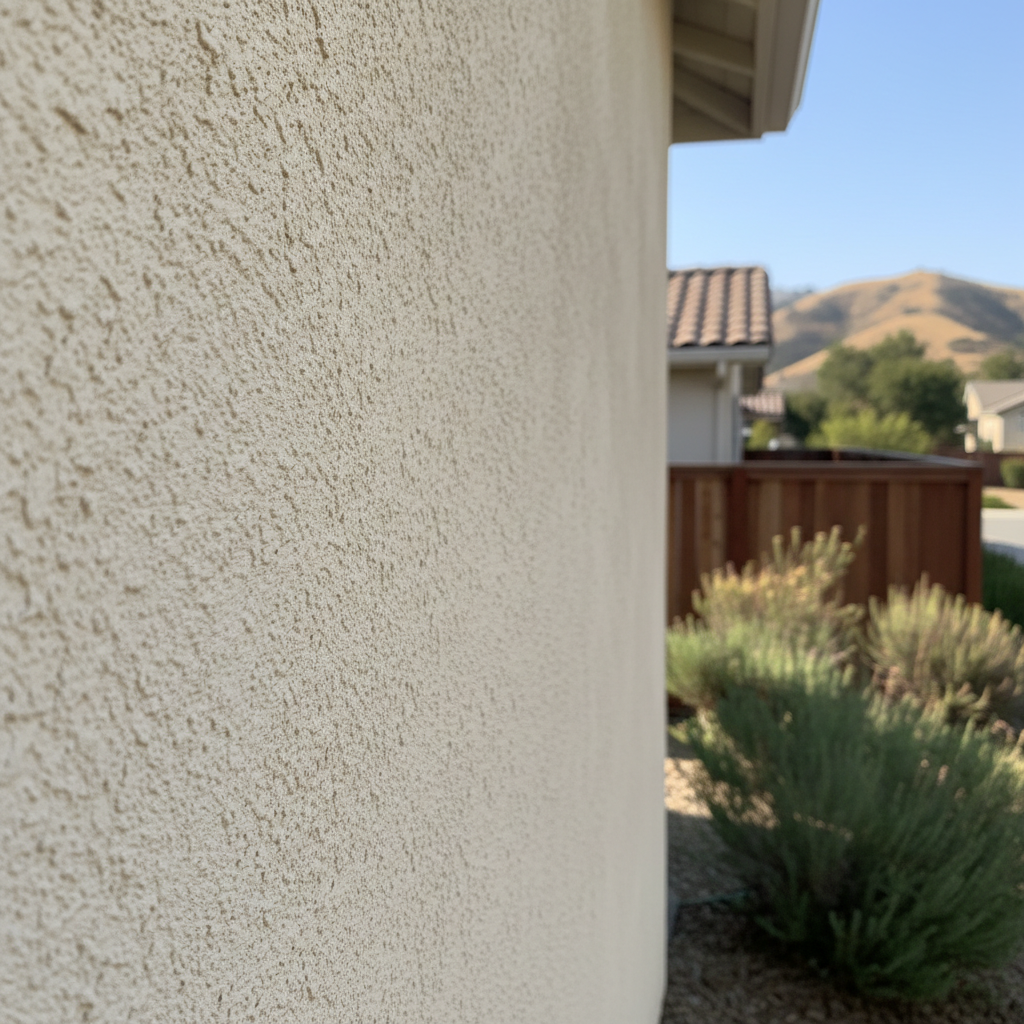
So, you're thinking about getting your stucco checked out? Or maybe you just heard it's a smart thing to do. Here in Saratoga, I get asked about this a lot. Homeowners want to know what's involved, why it matters, and exactly what they're paying for. It's not always clear, especially with so much conflicting information floating around. Let's try to clear things up a bit.
Why Bother with a Stucco Inspection if My Home Looks Fine?
This is probably the question I hear most often. And honestly, your stucco might look perfectly fine from the street. That's usually the problem, though. Stucco is supposed to shed water, but if moisture sneaks in behind it—even just a little bit—it can cause some serious damage you won't spot until it's too late. We're talking about rot in your sheathing, your framing, even mold. It's kind of like a slow leak under the sink; you don't notice it until the cabinet floor starts to buckle. A real inspection goes way beyond just a quick look. We're hunting for those tiny clues of water getting in, signs that point to a much bigger issue brewing underneath. Think of it as preventive care for your home's outside, especially with our wet winters and the way homes often sit on hillsides here in Saratoga, which can create some tricky drainage situations.
What Exactly Happens During a Stucco Inspection?
It's not just me walking around with a clipboard, I promise you that. A good, thorough stucco inspection involves several steps. First off, we do a really comprehensive visual check of the whole exterior. I'm looking for things like hairline cracks that might be growing, efflorescence, staining, or spots where the stucco might be peeling away. I pay extra close attention to the critical areas: around windows, doors, rooflines, any penetrations like dryer vents, and where the stucco meets the foundation. These are all common entry points for water, you see. After that, we move on to moisture testing. This part is absolutely crucial. We use special non-invasive moisture meters to check for high moisture levels behind the stucco itself. If we find anything suspicious, we might suggest a more invasive test, which means drilling small, discreet holes to get a direct reading of the material underneath. We'll also check flashings, weep screeds, and expansion joints to make sure they're all doing their job. The goal is to find those weak links before they actually break.
What's the Deal with a General Home Inspector Versus a Stucco Specialist?
There's a big difference, and it's super important you understand it. A general home inspector is great for getting a broad overview of a house—plumbing, electrical, roof, foundation, and sure, they'll check the exterior. But they're generalists, right? They might spot obvious stucco problems, but they typically don't have the specialized training, the specific equipment, or the deep understanding of stucco systems and their failure points that a dedicated stucco specialist does. A stucco specialist, like us at All Things Stucco Solutions, focuses only on stucco. We know the common construction defects, the exact ways water can get in, and how to properly diagnose and recommend fixes for stucco systems. It's kind of like asking your family doctor to perform brain surgery; they're both doctors, yes, but one has a very specific expertise you really need for a complex problem like this.
How Often Should I Get My Stucco Looked At?
For most homes, I'd suggest a full stucco inspection every three to five years. If your home is older, or if you've noticed any new cracks, staining, or other visual oddities, you should definitely get it checked sooner. If you're buying or selling a home, especially an older one, a pre-purchase or pre-listing stucco inspection is a really smart move. It can save you from expensive surprises later on, or even give you some leverage in negotiations. And after a big weather event, like those really heavy rain seasons we sometimes get, it's also a good idea to have a quick check, just to make sure nothing got messed up.
What Happens if the Inspection Finds Problems?
Don't panic! Finding problems early is the whole reason we do these inspections. If we do find issues, whether it's elevated moisture or actual structural damage, we'll give you a detailed report. This report will lay out all the findings, pinpoint the exact locations of concern, and explain how serious they are. More importantly, it'll include clear recommendations for how to fix things. Sometimes it's a simple recaulking job, other times it might need a more extensive repair or even a partial re-stucco. We'll walk you through everything, explain your options, and give you an honest estimate for what it'll take to get it fixed right. My goal isn't just to find problems; it's to help you understand them and get them resolved effectively.
Can I Just Do a DIY Stucco Inspection Myself?
You can certainly do a basic visual check yourself, and I actually encourage it! Walk around your house, look for cracks, stains, or areas where the stucco just looks different. Pay attention to corners, around windows, and where different materials meet. If you spot anything suspicious, snap some photos. But that's probably where the DIY part should stop. You won't have the specialized moisture meters or the trained eye to catch the subtle signs of deeper issues. Plus, you won't know the specific construction methods or common failure points for homes in our area. A professional inspection is about getting a complete, accurate picture, not just what the untrained eye can see. It's an investment in your home's longevity and its value.
Getting a professional stucco inspection is truly about giving yourself some peace of mind. It's about protecting your biggest investment from hidden damage. If you've got more questions or want to schedule an inspection for your Saratoga home, just give us a call at All Things Stucco Solutions. We're always here to help.